For some Nigerians, anything soft and thick that provides enough enough warmth during a cold morning or a breezy night; would most definitely pass as a duvet. Long ago I was also in this class, I used to refer to my faithful thick blanket as a Duvet..i mean, for all I cared, it was soft and thick! Fast forward to this beautiful Wednesday, we would be learning together, about The Duvet: What to look out for when shopping
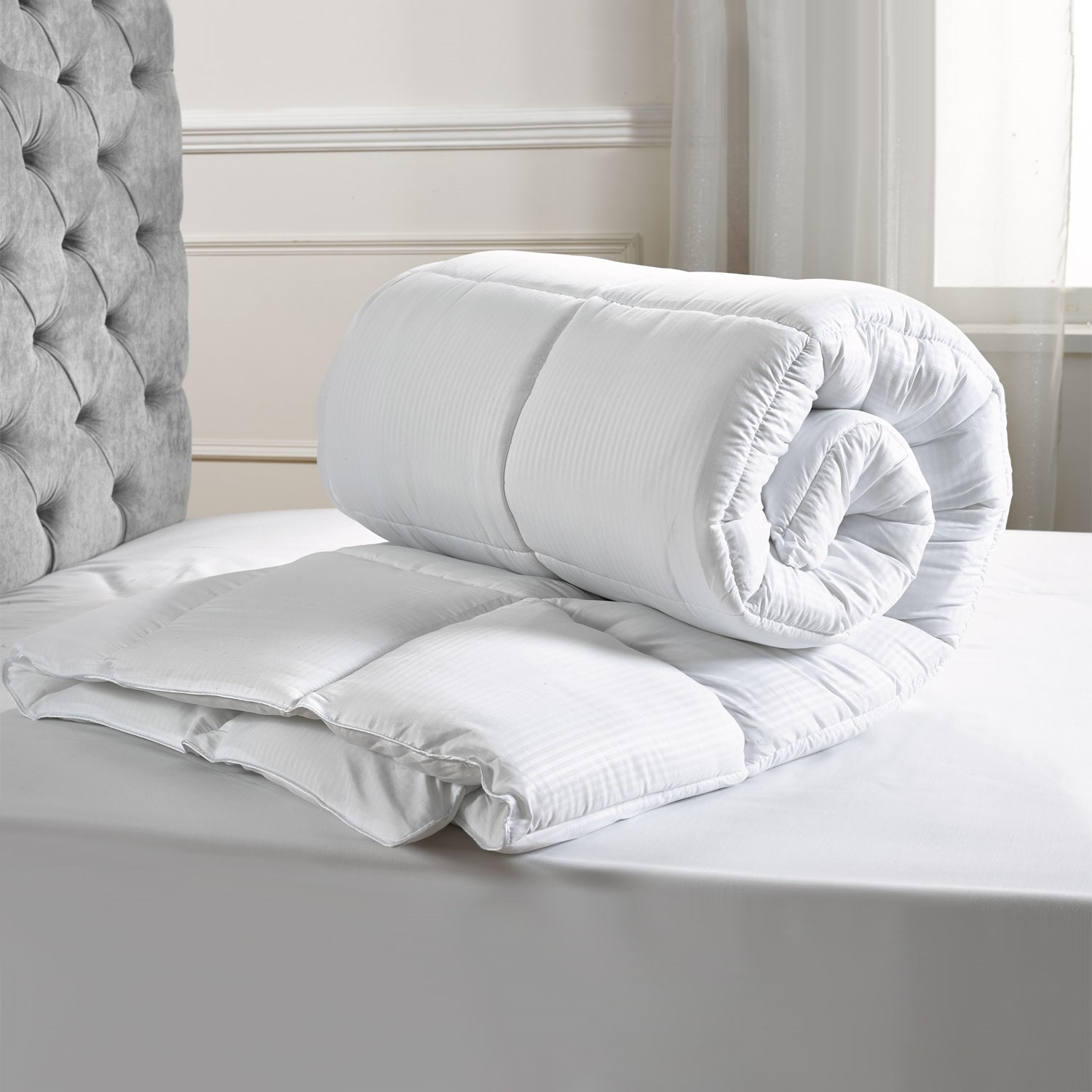
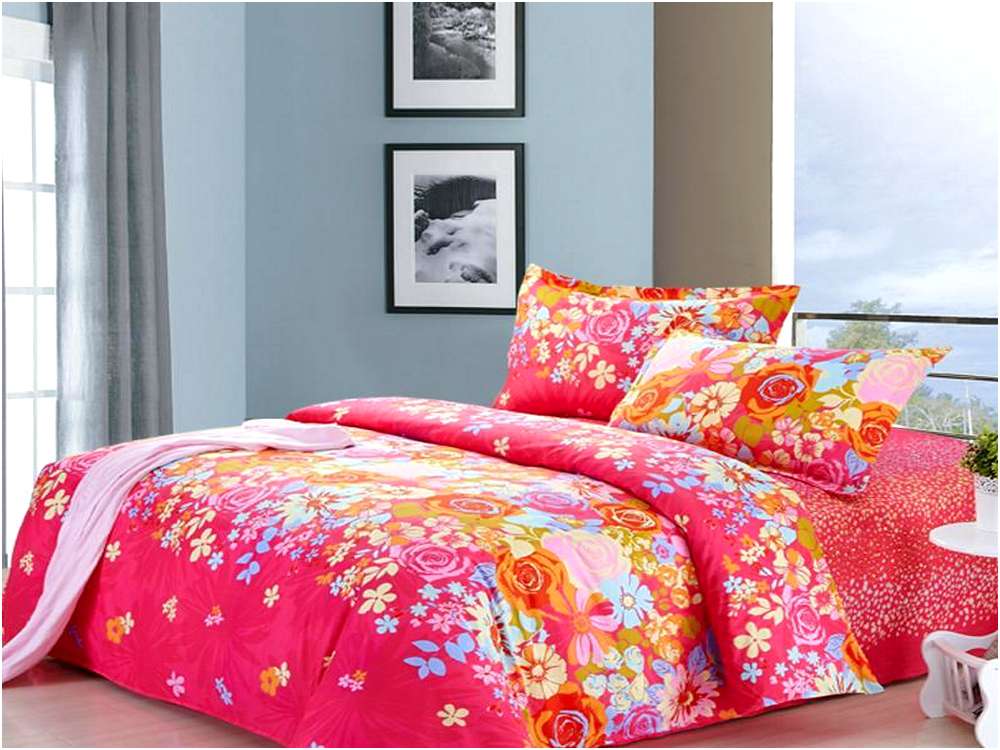
A duvet is typically solid white, filled with down or a down alternative, and used to provide warmth and comfort on your bed. Although duvets are also referred to as “down comforters,” the word comforter is more often used in regards to warm bedding that is colored or patterned, rather than solid white. A comforter might be filled with down, but often is filled with a synthetic material.
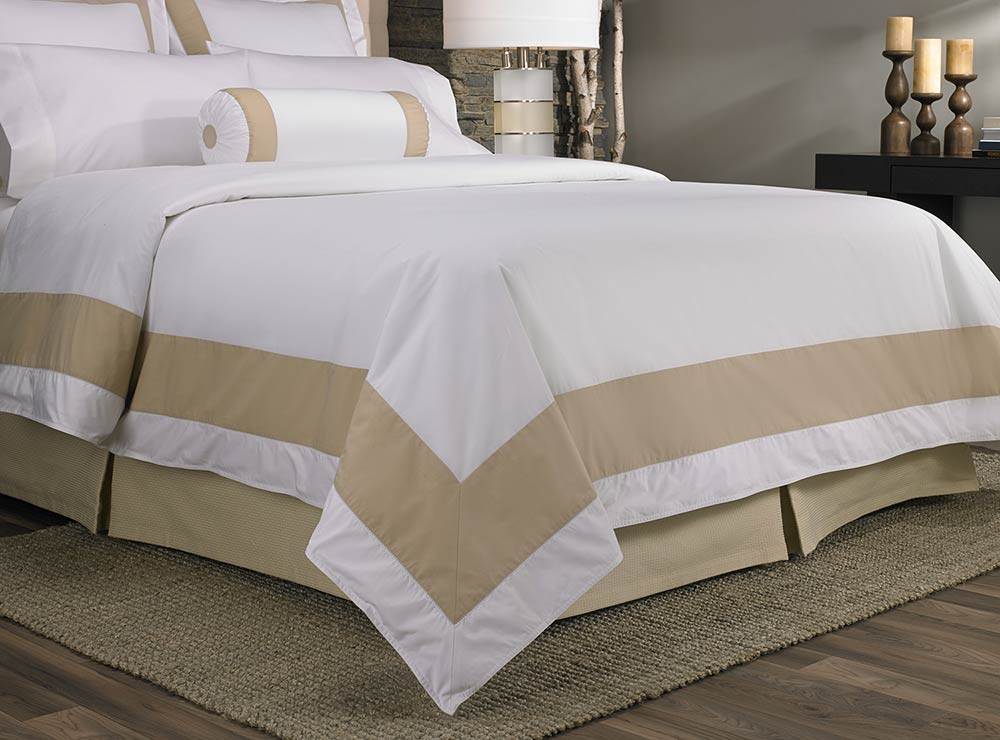
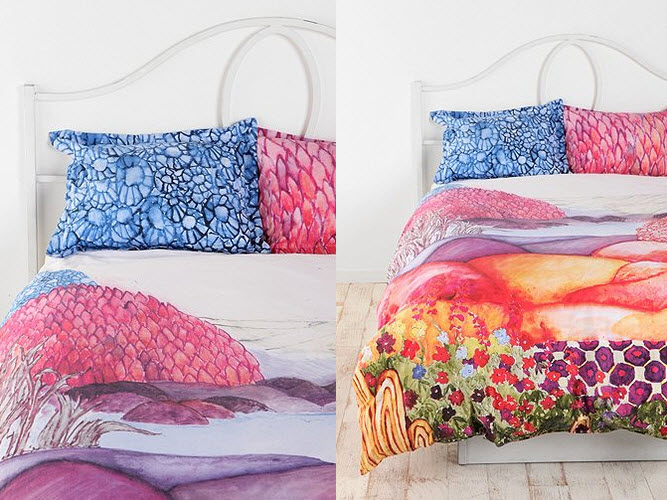
A duvet cover surrounds a duvet like an envelope. While duvets are usually white, their covers come in a nearly endless choice of colors and patterns. Duvet covers are sewn shut on three sides, but the fourth side closes with large buttons, ties or a zipper, so you can remove or insert the duvet easily. It’s not essential to use a duvet cover, but most people like their decorative impact, as well as the way they help keep the duvet clean.
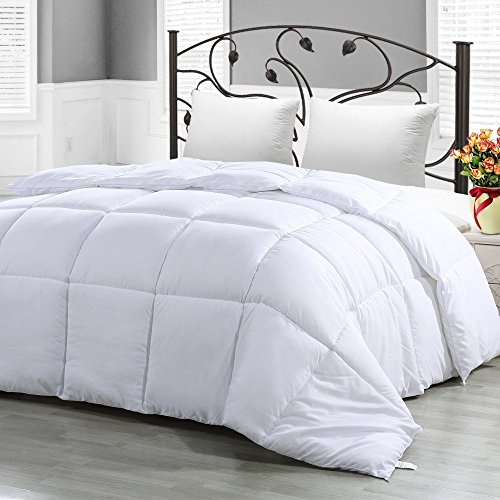
Duvet
So now that we have a basic understanding of what the duvet is, let’s find out about those things we need to consider when shopping for one.
The Duvet Fill:
The biggest choice you face when shopping for your duvet is the fill. The fill has the biggest impact on the feel and warmth of your duvet. You would have to decide to pick from a natural or synthetic fill. So what are the pros and cons of each?
Natural fill: some people prefer the natural fill simply because as suggested by the name, its natural. Also, natural fills are a lot warmer, softer and breathable than synthetic fill. By natural, we are referring to feather (duck or goose) or down(a softer type of feather) found underneath the tough exterior. Down is a lot lighter and softer than other feathers and retains more heat. You should note that washing a natural duvet too often can reduce its lifespan.
Synthetic fill: Hollowfibre is probably the most popular synthetic duvet material, and is a thick wiry strand made of polymers such as polyester and nylon with a hollow centre (as the name implies). The hollow centre of the fibres gives greater loft and springiness to the duvet. Synthetic fibres also naturally wick away moisture and perspiration for a drier night. While you have to be very careful when washing natural duvets, there’s less to worry about with synthetics, as they can be washed much more frequently.
Also, the SPACE & PRICE should be taking into consideration when shopping for a duvet. For instance, we have a lot of one room apartments in Nigeria- as a one room apartment owner, you should still be able to make your bed comfortable and convenient however, you should also consider the size of your apartment, the size of your bed and how they can fit into your space without turning your one room space into a nightmare. Prices would most likely vary on size and type. If you are looking to shop for a duvet with the natural fill, then the price would definitely be on the high side while you would be spending lesser amount of synthetic fill duvets.
I definitely have been in the dark about Duvets, but guess what? You guessed right!!! I now know what to look out for the next time I go duvet shopping. Synthetic or natural, which duvet would you have keeping you warm? Let us know in the comment section. You can also check out our beautiful range of Duvet covers and sets here.